
Have you ever turned on the tap and hoped that you would get a warm, comforting stream of water only to get a blast of icy water? Or perhaps the heater that warms your water began to produce some odd sounds leading you to question whether it is going to quit. One of such is the water heaters, which we do not even bother to consider before they break down. And in the event that they do, the inconvenience is real. Don’t worry! We are going to go through the five most popular issues with water heaters today, their causes, and what you can do prior to calling the professional plumber.
1. No Hot Water
There is no better way to be frustrated than to get out of a cold shower in the morning. In most cases when your water heater will no longer heat, the problem is with either the thermostat or heating element (in electric heaters). In such situations, expert plumbers usually begin by checking the thermostat and electrical connections to identify the exact fault. It is just a tripped circuit breaker sometimes.
In gas systems, the cause can be a blown-out pilot light or blockage of the supply of gas. Make a check of the breaker, or replace the pilot, or adjust the thermostat, as you feel like doing so. When it still fails to do it this is a clear indication that there should be an inspection carried out by a professional.
2. Water Temperature Fluctuates Irregularly
Do you have mood swings in your shower where at times hot and then cold? This discrepancy normally gives evidence to mineral deposits within the tank or defective heating components. This makes it inefficient and leads to changes in temperatures. This can be avoided by regular flushing but in case the problem continues the thermostat or heating element might have to be replaced.
3. Weird Wailing in the Heater
Popping, banging or rumbling -hear? Don’t ignore them. These sounds normally represent solid sediment within the tank. Water that finds its way beneath sediment boils, and produces popping noises like an overworking kettle. When this happens, the heater will be inefficient and is likely to be damaged. The solution is normally a professional tank flush. The noise in older heaters may also be used to show that the tank is reaching the end of its life period.
4. Low Hot Water Pressure
Limited flow of water makes daily chores, shower, washing, cleaning, annoying. The reason why it is usually low pressure is due to the narrow pipes in an older home or when the hot water outlet is blocked by sediment. The plumbing may also be corroded, the valves partially closed, or accumulate in the heater itself, thereby lowering the pressure. Washing of the tank, valves inspection, or filtration system installation tend to help. In case your pipes at home are of old galvanised, it is possible to upgrade them and increase the flow of water.
5. Leaking Water Heater
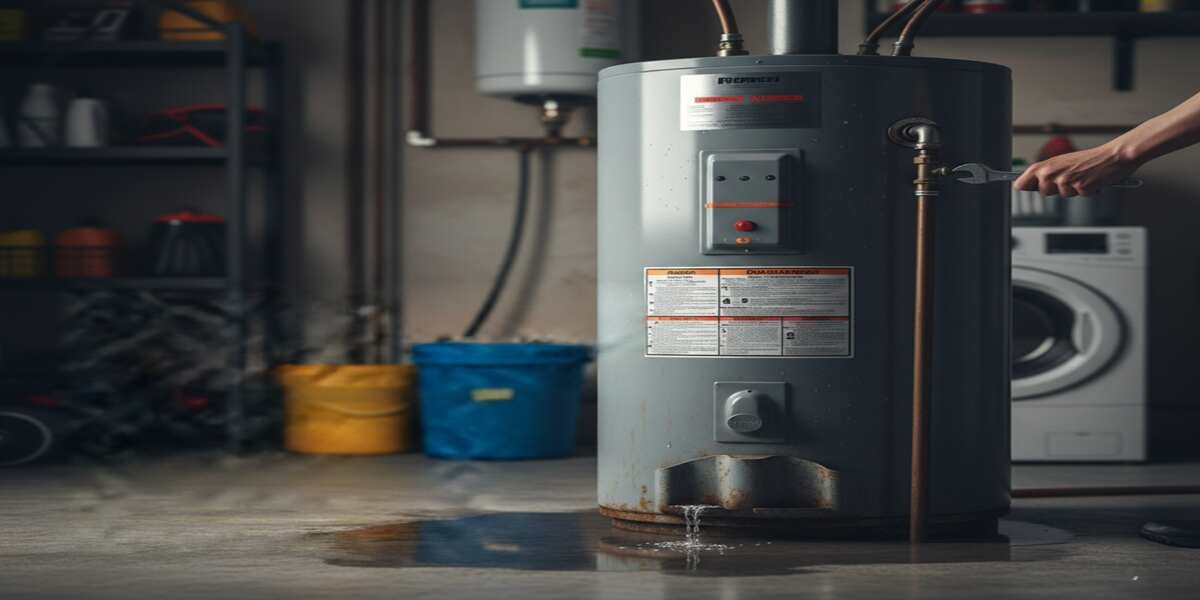
Even such a little leakage can become a huge issue in a short period of time. The causes of leaks could be loose connections, ruined valves or corrosion inside. In case of the top leakage, the fittings could be tightened. However, when the water is dripping at the tank base, this can also be a physical symptom of extreme corrosion- i.e. there can be no better value than substitution. A leak should never be overlooked as it may result in developing mould, water damage, and expensive fixing, and addressing it early also helps remove musty smells.
Conclusion
A quality water heater is also necessary in the everyday. Being aware of these five typical problems can assist you to act promptly to prevent the escalation of problems. When your system exhibits recurring problems or shows that it is old, the best and the most valuable decision is to call the services of a qualified plumber.