
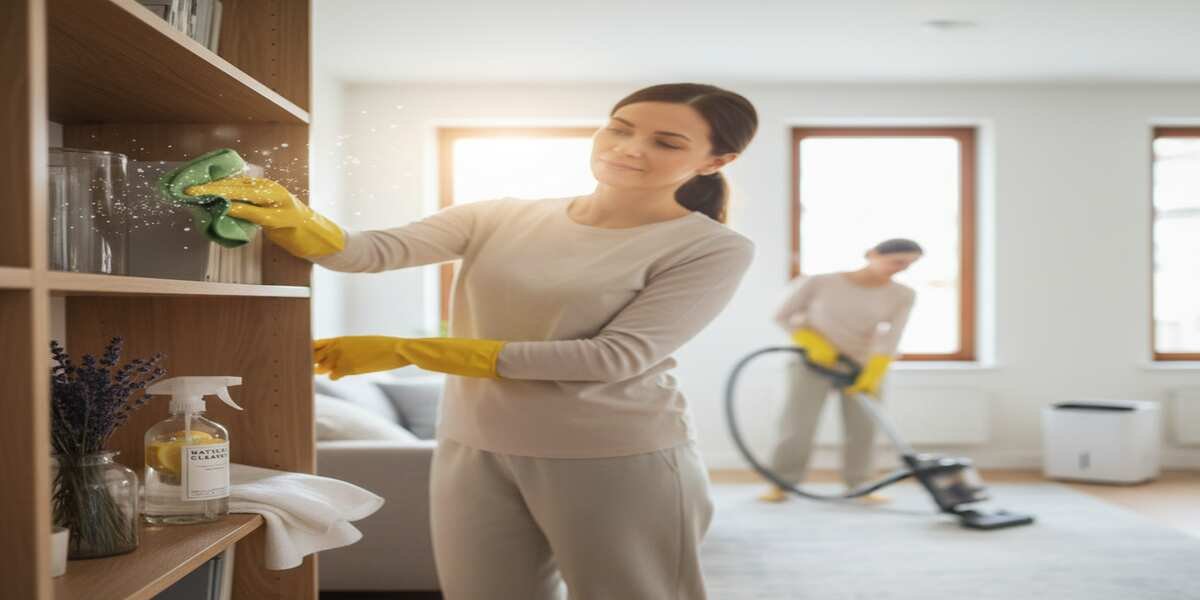
Eco-Friendly House Cleaning Guide: Reduce Allergens Fast
Are tiny allergy triggers taking over your home while cleaning feels like it’s doing nothing? Dust, outdoor particles, and invisible irritants pile up fast when housekeeping focuses on hiding the mess instead of clearing it from the root. Old cleaners often leave behind chemical layers that irritate the air and spark allergies rather than fixing them. Earth-safe upkeep changes the approach by lifting and removing irritants without adding harsh residue or harming indoor air quality.
Green products, smart routines, and correct motions reduce allergen density and improve indoor air instantly. The aim isn’t a polished surface; it’s a clean, balanced space where allergens can’t live or spread. Whether it is daily upkeep or a thorough vacate cleaning, Housekeeping maintains healthier air and fewer triggers for a longer time, without harming your breathing or surroundings.
1. Choose Green, Skip Harsh Residue
Using strong chemicals is lazy thinking. Many mist sprays and harsh chemical washes leave a thin irritant layer that re-enters the air. Choose natural-based cleaners and avoid formats that push micro-droplets into the room. Professional cleaning demands control, not chemical force. Thicker textures like creams or soft liquids keep the air stable while working, reducing inhaled triggers. Pick gentle, earth-safe, scent-neutral options that break down after use. Perfumes don’t remove dirt; they hijack the air and reduce breathability.
2. Remove Dust Without Launching
Dry dusting is dumb. You’re throwing allergens into the breathing zone.
Checklist to clean dust safely:
- Use a dust-locking cloth that’s lightly damp, not wet.
- Start top-down motion to trap particles
- Dust removal must trap, not scatter.
Principle: electrostatic capture.
Trade-off: cloth needs frequent rinsing.
That’s the cost of doing it right. Replace the cloth when it turns grey. If dust is visible, the air is already polluted. Act fast, rinse often, finish strong.
3. Humidity First, Corners Next
High humidity is a mold party invitation. Mold spores are the worst type of allergen, and they grow in corners you never look at. Control the environment first, clean the corners next. Wipe window sills, attic edges, bathroom corners, and hidden wall seams once the air feels neutral and dry. Never clean a damp room. You’ll fail and think housekeeping is the problem. It’s not. Conditions are the problem. Fix conditions, colonies collapse.
- Bullet points for humidity control:
- Lower room dampness before upkeep
- Wipe corners after airflow improves
- Dry every surface before finishing
4. Trash Out, Never In
This is where most people sabotage their own air quality. They empty the vacuum bins or throw dusty trash into the indoor garbage, and let allergens explode back into the room. Always take waste outside before opening it. Indoor air doesn’t need more chaos; it needs containment through sustainable cleaning solutions that prioritize health. It needs containment. Cleaning systems only work when allergens are isolated and removed from the environment, not just relocated from floor to bin.
5. Build a Twenty-Minute Reset
Allergen control fails when housekeeping is emotional instead of repeatable. Build a short time-boxed routine that hits every source in one flow: vacuum the floor, trap the dust, mop twice, reset the fabrics, take the trash out, and finish everything dry. This works because it’s repeatable. You don’t need more time; you need a routine you can follow without debate. A quick reset done often beats a long cleaning done rarely. Allergens stack silently. A routine resets them loudly.
6. Natural Mixes, Strong Motions
You don’t need products to reduce allergens; you need the right motions. Use natural household mixes for surfaces that can handle it. Spray your cloth first, then wipe the surface. Never spray into the air. That’s not cleaning, that’s pollution. The principle is remove-at-source. The trade-off is a faint, temporary smell that fades quickly versus synthetic scents that irritate the air for hours. Pick temporary over toxic every time.
Conclusion
Allergy particles don’t need strong chemicals. They need an upkeep method that catches them instantly and throws dirt outside the house. House cleaning wins because it removes dust, keeps areas dry, controls moisture, and follows a fixed routine. Whether you are doing a daily tidy-up or hiring a professional bond cleaning service, the result is fresher air, easier breathing, and less dust landing again. It may take extra minutes, but the result is fresher air, easier breathing, and less dust landing again. A short, regular maintenance system beats long, heavy cleaning. Fix the air first. Clean edges next. Wash fabrics. Take garbage out. Dry all surfaces. Keep the routine solid.